
• Posted in Blog, Mental Health
Managing Stress Hormones When the Days Shorten
Stress is a normal part of life, but the shift from long summer days to shorter fall days can add an extra layer of difficulty.

Stress is a normal part of life, but the shift from long summer days to shorter fall days can add an extra layer of difficulty.

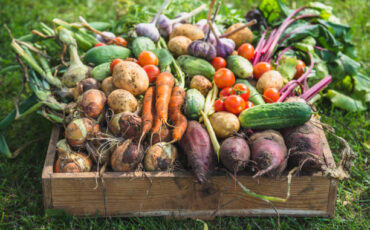
Eating with the season is a straightforward strategy to increase nutrient intake, improve fiber consumption and support long-term weight and metabolic health. Choosing colorful fall produce can provide both variety and practical benefits for individuals working toward healthier eating habits and supporting their gut.

A balanced lifestyle isn’t about doing everything right, it’s about creating a rhythm that supports your health, energy and happiness over time. It’s flexible, realistic and personal. And the best part? You don’t have to overhaul your life to start living it.
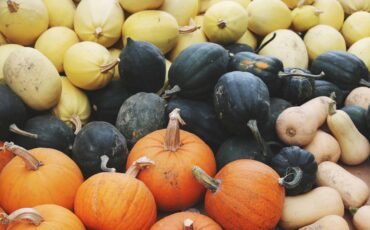
Fall meals can be warm, comforting and still support your health goals. By making a few simple swaps, like roasting instead of chopping or simmering instead of assembling, you can enjoy the flavors of the season without spending hours in the kitchen.

Fall desserts don’t have to be heavy to be delicious. With just a few smart swaps, you can enjoy the cozy flavors of the season like cinnamon, maple and pumpkin, while still feeling good about what’s on your plate.

You don’t need a gym, fancy gear or even a full hour to move your body. Just 10 minutes a day can boost your energy, support your health and help you feel more focused, especially if you’re sitting a lot during the week.

Obesity is a disease. It’s not about blame, it’s about biology, environment and getting the care you need. Understanding it as a disease helps us move toward better treatment, more respect and real hope.
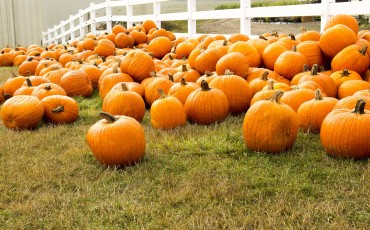
Fall outings like pumpkin patches, corn mazes and backyard games aren’t just seasonal traditions, they’re also great ways to sneak in physical activity.